
Spotatrain
Train spotting background

The Art of Discovery: Unveiling Epic Rail Experiences

Explore curated railway destinations and spotting locations shared by a global community.

Image active: Arrière-plan du hero Spotatrain
Layers
Community

Epic Journeys

Legendary train voyages

Mount Washington Cog Railway

World's first mountain-climbing cog railway — 1869, 37.41% grade, climbs to 6,288 ft

Marshfield Base StationMount Washington Summit4.8 km3h round trip (incl. 1h summit layover)

The Jacobite Steam Train

The real-life Hogwarts Express, crossing the Glenfinnan Viaduct on the world's most scenic railway

Fort WilliamMallaig66 km2h 15min (one-way)

White Pass & Yukon Route — Summit Excursion

Climb 873 m from Skagway tidewater to the historic White Pass on a 914 mm narrow-gauge line built for the Klondike Gold Rush.
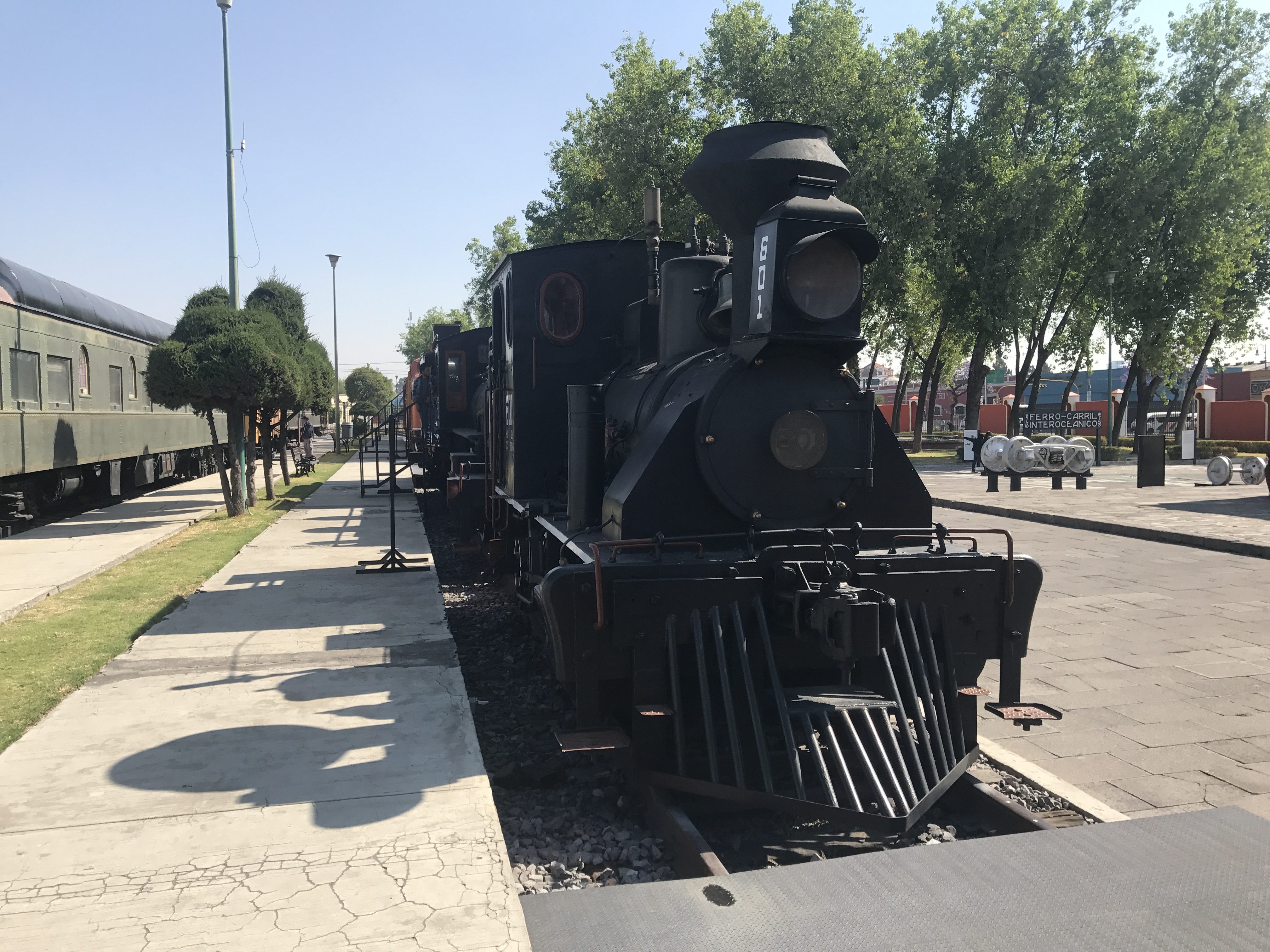
SkagwayWhite Pass Summit64 km2h30 – 2h45

Grand Canyon Railway

A 65-mile heritage train journey from Williams, Arizona to the South Rim of the Grand Canyon

WilliamsGrand Canyon Village104.6 km2h 15min each way

Strasburg Rail Road

America's oldest continuously operating standard-gauge railroad — a 45-minute steam ride through Amish farmland.

StrasburgParadise7 km45 minutes (round trip, 9 mi / 14 km)

Flåmsbana

One of the world's most beautiful train journeys — 20 km, 866 m descent

MyrdalFlåm20.2 km~1 hour

Tramway du Mont-Blanc

France's highest railway, climbing from Le Fayet to the foot of the Mont Blanc on a 1909 Strub-rack line.

Saint-Gervais-les-BainsSaint-Gervais-les-Bains12.4 kmAbout 1 h 15 min one-way

Glacier Express

The slowest express train in the world: 8 hours across the Swiss Alps

ZermattSt. Moritz291 km8 hours

Bernina Express

From Swiss glaciers to Italian palm trees across a UNESCO alpine crossing 2

ChurTirano144 kmapproximately 4h 5min

California Zephyr

Chicago to San Francisco across the Rockies and Sierra Nevada

ChicagoEmeryville3,924 km2 nights / 51 hours

Mega Projects

Landmark rail infrastructure

Featured Railway Experiences

Discover iconic railway experiences handpicked by our community

Family FriendlyHeritage RailwayStreetcar / Trolley

Illinois Railway Museum

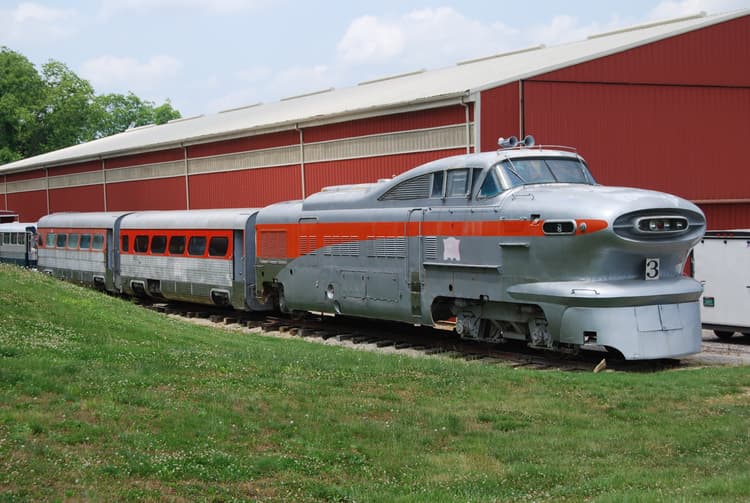
The Illinois Railway Museum (IRM) is the largest railroad museum in the United States, home to the country’s most extensive collection of historic railway equipment irm.org. Founded in 1953, it preserves over 500 pieces of rolling stock – from giant steam locomotives to streetcars and diesel engines – on a 100-acre campus in rural northern Illinois lstoptours.com. The museum lies in Union, IL, a small village about 55 miles northwest of downtown Chicago, where it occupies a former interurban railway site amid open prairie scenery en.wikipedia.org.This “museum in motion” has a mission to bring railroad history to life. It demonstrates the vital role of railroads in Chicago’s growth and U.S. history by operating restored trains and trolleys in a realistic setting enjoyillinois.com. Many of the exhibits are not just static displays but fully functional. Visitors can see, hear, and ride an unparalleled variety of vintage railway equipment. Historic depots, signal towers, and even a working streetcar line on the grounds further immerse railfans in bygone eras of rail travel, making IRM both an educational resource and a time machine into America’s railroading past.

4.8
Heritage RailwaySteam LocomotiveStreetcar / Trolley

Exporail – The Canadian Railway Museum

Exporail, also known as the Canadian Railway Museum, is Canada’s national rail heritage center located in Saint-Constant, Quebec, on Montreal’s south shore railfan.com. Founded by the Canadian Railroad Historical Association in 1961, its opening date symbolically coincided with the anniversary of Canada’s first railway journey in 1836 (the Champlain & St. Lawrence line between La Prairie and Saint-Jean) . Over six decades later, Exporail has grown into the country’s largest railway museum – officially recognized by the Canadian Parliament as such – preserving a massive collection of historic trains and artifacts . Visitors will find more than 140 locomotives and railcars spanning 170+ years of railroad history in Canada, along with extensive archives of photographs, documents and memorabilia that chronicle the nation’s rail heritage en.wikipedia.org . True to its nickname “a living museum,” Exporail offers an interactive, hands-on experience beyond static displays. The museum’s expansive indoor exhibit hall (the Angus Pavilion) houses dozens of life-size trains under dramatic lighting, and an immersive introductory tunnel showcases hundreds of railway artifacts to set the scene. Many vehicles are open for exploration – you can climb aboard vintage passenger coaches, step into locomotive cabs, and even walk through a rare “school car” where a teacher once taught children in remote areas . Outdoors, the experience continues as visitors ride on an authentic heritage streetcar that clangs its way around the grounds and a miniature passenger train that chugs along a short historic spur line. Live demonstrations enliven the atmosphere – you might witness telegraph operators tapping out messages or see the museum’s wood-fired John Molson steam locomotive replica puffing away on special days. With indoor galleries, open-air yards, and active rides, Exporail immerses railfans in the sights, sounds, and even smells of railroading history, making it a dynamic destination that brings Canada’s rich railway legacy to life .

4.8
Model RailwayFamily FriendlyIndoor

Miniatur Wonderland

Miniatur Wunderland is the world’s largest model railway exhibition, set within a 19th-century red-brick warehouse in Hamburg’s UNESCO-listed Speicherstadt district. Opened in 2001 by twin brothers Gerrit and Frederik Braun, this attraction has grown into a miniature world spanning multiple countries and eras, all under one roof. It features incredibly detailed landscapes and cityscapes – from the snow-capped Alps to bustling American cities – meticulously constructed at 1:87 scale to celebrate global rail and transport heritage.Over the past two decades, Miniatur Wunderland has become one of Germany’s most popular attractions, drawing millions of visitors from around the globe. According to Guinness World Records, it’s the largest model railway on earth, with around 16,000 meters of HO-scale track and over a thousand trains in operationen.wikipedia.org. The exhibit is divided into themed sections representing regions like Central Germany, Austria, Switzerland, Italy, Scandinavia, the United States and more – each teeming with trains, tiny figures, and landmarks that capture the character of those placeshamburg.com. This blend of technical marvel and artistry has solidified Miniatur Wunderland’s reputation as a must-see destination for railfans and general tourists alike.

4.8
Scenic RailwayMetro & Rapid TransitBridge

Yurikamome (Tokyo Waterfront New Transit Line)

Yurikamome is Tokyo’s first fully automated, driverless transit line, linking the city’s Shimbashi district to Toyosu via the man-made island of Odaiba. The 14.7 km route runs on an elevated concrete guideway with rubber-tired trains, offering a futuristic ride above Tokyo Bay. Opened in 1995, this line was built to develop the waterfront and is named after the black-headed seagull (“yurikamome” in Japanese), Tokyo’s official city bird that frequents the bay.Odaiba’s coastal setting and modern skyline make Yurikamome as much a scenic attraction as a transit route. The line makes a dramatic 270° loop to climb onto the Rainbow Bridge, treating riders to sweeping views of Tokyo Tower, downtown skyscrapers, and harbor vessels in every direction. Gliding between glassy high-rises and over sparkling water, Yurikamome showcases Tokyo’s blend of urban architecture and bayfront vistas. The journey embodies Tokyo’s innovative spirit – a union of engineering and scenery that draws both daily commuters and railfans from around the world japan-experience.com.

4.8
Steam LocomotiveScenic RailwayHistoric Landmark

Great Smoky Mountains Railroad

The Great Smoky Mountains Railroad (GSMR) is a heritage railway in western North Carolina, carrying visitors on vintage trains through the rugged Great Smoky Mountains region. Based in the small mountain town of Bryson City at a historic 1908 depot, it operates on 53 miles of the former Southern Railway “Murphy Branch” line that was built in the 1880s to connect isolated Appalachian communities. This line was an engineering marvel of its era – it climbs to over 3,100 feet at Balsam Gap (once the highest rail elevation in the eastern US) and bores through the 836-foot Cowee Tunnel, which was considered a major feat when constructed. Saved from abandonment in 1988, the railroad has since been preserved as a tourist attraction and now welcomes around 200,000 passengers each year, making it one of America’s most popular scenic railroads. Nestled between the Great Smoky Mountains National Park and Nantahala National Forest, the route offers an immersion in nature that railfans and travelers adore. The GSMR winds alongside crystal-clear rivers, across fertile valleys, and into deep river gorges that cars cannot reach. Passengers cross 25 bridges – including a dramatic trestle over Fontana Lake – and pass through two historic tunnels on a journey into remote mountain landscapesromanticasheville.com. Towering hardwood forests envelop the track, displaying lush greenery in summer and brilliant foliage in autumn. For railroad enthusiasts, the GSMR is also a living history exhibit: it preserves not just the rail line but also classic locomotives and coaches from the mid-20th century, including a World War II-era steam engine that still pulls excursion trains today. In short, this railroad combines spectacular Appalachian scenery with rich railway heritage, creating an unforgettable trip back in time.

4.8
Steam LocomotiveHistoric LandmarkHeritage Railway

National Railway Museum

The National Railway Museum in York is Britain’s premier rail heritage attraction, home to the national collection of historic railway artifacts. Established in 1975 on the site of York’s former locomotive depot, the museum boasts over 6,000 objects on display – including around 100 locomotives and vehicles – spread across several enormous railway shedsbritainexpress.com. It is the largest museum of its kind in the UK, attracting close to 800,000 visitors per year. As part of the Science Museum Group, the museum’s mission is to tell the story of rail transport in Britain and its impact on society , preserving an unparalleled range of railway history for enthusiasts and the public alike.   The museum’s collection spans the entire age of railways, from early 19th-century innovations to high-speed modern trains. Railfans can marvel at iconic locomotives such as Mallard – the LNER steam locomotive that holds the world speed record at 126 mphrailwaymuseum.org.uk – and the sleek LMS Duchess of Hamilton streamliner, resplendent in its art deco crimson livery. One hall showcases the “Palaces on Wheels,” a set of opulent royal carriages used by Queen Victoria and other monarchs, while another features the massive Stirling Single of 1870 (with its giant driving wheel) and technological marvels like the pioneering Japanese 0 Series Shinkansen bullet train. In fact, York’s museum displays the only Shinkansen train set outside Japan, allowing visitors to step inside and experience Japan’s 1960s high-speed revolution first-hand. From a Victorian-era Coppernob steam engine to modern diesel and electric units, the National Railway Museum offers an immersive journey through railway history on a scale that is truly world-class.

4.8
Family FriendlyHeritage RailwayHistoric Landmark

Durango & Silverton Narrow Gauge Railroad

The Durango & Silverton Narrow Gauge Railroad (D&SNGRR) is a heritage steam railway in southwestern Colorado that runs on 3-foot (914 mm) narrow-gauge tracks for about 45 miles between the town of Durango and the old mining camp of Silverton. For over 140 years it has carried passengers through the remote wilderness of the San Juan National Forest, offering high-mountain scenery and a journey into Colorado’s mining past. The line and its vintage equipment are designated a National Historic Landmark and a National Historic Civil Engineering Landmark for their significance and preservationen.wikipedia.org. Founded by the Denver & Rio Grande Railway in the early 1880s, the route was originally built to haul gold and silver ore from the San Juan Mountains and transported an estimated $300 million worth of precious metals over its lifetimedurangotrain.com. At the same time, it was promoted as a scenic passenger line – a role it continues to fulfill today. Remarkably, trains have run continuously on this mountain railroad since 1882, making it one of the few places in America with unbroken steam locomotive operation for well over a century. This living history appeals to railfans, historians, and travelers alike.

4.8
Heritage RailwaySteam LocomotiveFamily Friendly

DB Museum Nuremberg (German Railway Museum)

Exterior of the DB Museum's historic building, part of the Nuremberg Transport Museum complex. The DB Museum Nuremberg – also known as the German Railway Museum – is the official railway museum of Deutsche Bahn and one of Europe's most important rail heritage institutions. Founded in the late 19th century, its origins date back to 1899 as the Royal Bavarian Railway Museum (with earlier roots in 1882), making it the oldest railway museum in Germany and often cited as the oldest of its kind in the world. The museum is housed in a grand historic building (built in 1925) near Nuremberg's old city walls. It spans 6,800 square meters of indoor exhibits, where visitors journey through over two centuries of railway history in Germany – from the very first steam locomotives of the 1830s to high-speed ICE trains of today. Inside, the museum's exhibits chronicle the development of rail transport in Germany in rich detail. The permanent exhibition "The History of the Railway in Germany" walks visitors through each era, highlighting not just technological advances but also social and cultural aspects of rail travel. A collection of around 40 historic locomotives and rail vehicles is on display in two large halls, representing legendary "iron horses" from different periods. Notable treasures include "Adler", a replica of Germany's first steam locomotive from 1835, the Nordgau (Germany's oldest surviving steam locomotive, built in 1853), King Ludwig II's lavish royal train coaches (dubbed a "castle on wheels"), and an array of vintage locomotives such as a streamlined Class 05 001 steam engine and a 1950s Trans Europ Express diesel railcar. The museum also features pieces of modern rail innovation, like a sectioned mock-up of an ICE 3 high-speed train, linking past to present. Beyond the rolling stock, the DB Museum boasts extensive archives and library collections for researchers, with over 40,000 railway-related publications. Interactive displays are woven throughout: visitors can operate historic signal levers, explore a reconstructed railway tunnel, and engage with multimedia terminals. The museum complex also integrates the Museum of Communication (in the same building), and admission to the DB Museum includes the communication museum's exhibits on postal and telegraph history. Taken together, the DB Museum Nuremberg serves as a comprehensive center celebrating Germany's railroad heritage and its significance in industrial, economic, and social history.

4.8
Cumbres & Toltec Scenic Railroad
Steam LocomotiveNarrow GaugeScenic Railway

Cumbres & Toltec Scenic Railroad

The Cumbres & Toltec Scenic Railroad (C&TS) is a 64-mile narrow-gauge heritage railway that winds through the San Juan Mountains of Colorado and New Mexico. It traverses dramatic landscapes from arid high desert to lush alpine forests, climbing over the 10,015-foot Cumbres Pass – the highest mountain pass reached by rail in the United States. Along the route, the line hugs the rim of Toltec Gorge and navigates tight curves, tunnels, and trestles amid the Rocky Mountains’ grandeur. This moving time capsule has been designated a National Historic Landmark for its significance in American railroad historysouthfork.org. The railroad’s name comes from two spectacular route features: Cumbres Pass and the deep Toltec Gorge, both highlights of the journeyen.wikipedia.org. Built in 1880 as part of the Denver & Rio Grande’s San Juan Extension, the line was originally constructed to haul silver ore and timber through the rugged terrain. After nearly being abandoned in the late 1960s, it was saved and jointly purchased by the states of Colorado and New Mexico in 1970 to preserve its historical value. Today, it is one of the last remaining segments of the famed D&RGW narrow-gauge system (the only other being the Durango & Silverton line) and is celebrated as North America’s longest and highest steam railroad. The C&TS offers an authentic glimpse into 19th-century railroading, with original locomotives, rolling stock, and railway structures that have been meticulously preserved for new generations to experience.

4.8

Featured Spotting Locations

Top-rated trainspotting spots from our global community

Curve/Loop

Morant’s Curve

Morant's Curve sits at milepost 113 on the CPKC Laggan Subdivision, where the transcontinental mainline sweeps alongside the turquoise Bow River with the Canadian Rockies as a backdrop. Named after legendary CPR photographer Nicholas Morant (1910–1999), it is arguably the most photographed railfan location in North America.

5.0
Curve/Loop

Georgetown Loop (Devil’s Gate)

A 3-ft narrow-gauge heritage railroad in Colorado's Rocky Mountains, where steam locomotives climb 640 ft over 4.5 miles of corkscrew track, crossing the 95-ft-high Devil's Gate High Bridge above Clear Creek.

5.0
Curve/Loop

Tehachapi Loop

A 0.73-mile railroad spiral where trains cross over themselves gaining 77 feet in elevation — one of the most famous railfan destinations in the world.

5.0
Mountain Pass

Cajon Pass (Summit)

The busiest mountain railroad crossing in the United States, where BNSF's triple-track Cajon Subdivision and Union Pacific's Palmdale Cutoff funnel roughly 90 trains per day through a dramatic desert canyon between the San Bernardino and San Gabriel Mountains.

5.0
Scenic Overlook

Sandusky (Bayview)

At the Bayview approach to Norfolk Southern's Sandusky Bay causeway, freight trains and Amtrak's Lake Shore Limited transition from 1.17 miles of open water to land, with Cedar Point's peninsula visible to the northwest.

4.5
Railway Station

Durand - Diamond & Depot

Historic 1903 Durand Union Station sits at the diamond where CN's Flint and Holly Subdivisions cross. Home to the Michigan Railroad History Museum, this junction sees 20-25 trains daily from CN, Huron & Eastern, Great Lakes Central, and Amtrak Blue Water.

4.5
Scenic Overlook

White Pass (WP&YR)

The White Pass & Yukon Route climbs 2,888 feet in 20 miles on 3-foot narrow-gauge track to the summit at Mile 20.4, crossing the 215-foot steel cantilever bridge over Dead Horse Gulch — one of the most dramatic heritage railway alignments in North America.

4.3
Tunnel Portal

Gallitzin Tunnels

Three historic tunnels at the summit of the Alleghenies on Norfolk Southern's Pittsburgh Line (MP 248), with 50+ daily trains. Tunnels Park overlooks the west portals from downtown Gallitzin at 2,167 feet elevation.

4.0
Railway Station

Williams (Grand Canyon Ry)

Williams Depot is the southern terminus of the Grand Canyon Railway, a 64-mile heritage line running daily to the Grand Canyon South Rim since its revival in September 1989. The 1908 Mission Revival depot — a National Historic Landmark — is the departure point for vintage F40PH diesels and steam-powered excursions on the first Saturday of each month from March through October.

4.0
Railway Station

Portland (Union Station)

Portland Union Station, opened in 1896, is Oregon's oldest major passenger terminal. Its 150-foot Romanesque Revival clock tower with neon "Go By Train" signs is a Pacific Northwest icon. The station serves Amtrak Cascades, Coast Starlight, and Empire Builder routes alongside frequent Union Pacific and BNSF freight traffic.

4.0
Urban Crossing

Blue Island (Junction)

A double diamond interchange in Chicago's south suburbs where CSX, Indiana Harbor Belt, Canadian National, Iowa Interstate, and Metra converge. About 90 trains daily cross eight tracks at Broadway Street, with five iconic steel bridges spanning the Cal-Sag Channel.

4.0
Tunnel Portal

Spiral Tunnels (Kicking Horse)

Two 270-degree spiral tunnels where CPKC freight and passenger trains loop through Cathedral Mountain and Mount Ogden in Yoho National Park. Built in 1909 to replace the dangerous 4.5% Big Hill grade, 25-30 trains per day still navigate this century-old engineering marvel. Two Parks Canada viewpoints with interpretive panels offer safe, unobstructed views.

4.0

Today on Spotatrain

Refreshed hourly

Community Pulse

Recent discoveries from our railfan community

Community photo
MikeTremblayMikeTremblay
MikeTremblay
Community photo
Anonymous
Amtrak #40, the westbound/northbound Floridian is running almost four hours late leaving Sandusky, OH, offering this daylight photo op.
Jack_Leslie©
J
Westbound Norfolk Southern freight speeding towards Bayview drawbridge near Sandusky, OH.
Jack_Leslie©
J
Community photo
MikeTremblayMikeTremblay©
MikeTremblay
Community photo
MikeTremblayMikeTremblay©
MikeTremblay

Top Contributors

About us

The global hub for everyone who loves trains

Spotatrain pulls together the four things rail lovers care about most — where to spot them, where to visit, which voyages to ride, and which projects are reshaping the future of rail.

Built and maintained by Geospotter Studios with a growing network of contributors, photographers, and rail enthusiasts. Editorial content is human-reviewed, coordinates verified, photos credited to their authors. Free to use, ad-supported, no paywalls.

Learn more about Spotatrain

Spotatrain is the global rail tourism hub — a single map and database that pulls together the four things that matter to anyone who loves trains: where to spot them, which destinations are worth the trip, which legendary journeys you can still ride, and which mega-projects are reshaping the future of rail. Whether you arrived here chasing a rare locomotive on a quiet branch line, planning a slow-travel holiday, or following the construction of a new high-speed corridor, you should find what you came for in just a few clicks.

The trainspotting layer covers spots on every continent — public platforms, scenic curves, photogenic crossings, and viewpoints contributed and rated by the community. Every spot lists what trains pass through, the best time to visit, the kind of access you can expect, and any safety or trespass considerations to keep in mind. On top of that database we layer experiences: heritage railways, rail museums, depot visits, observation cars, and themed excursions you can actually book. Where the spotting layer answers where to stand, the experience layer answers where to go for the day.

The journey layer is reserved for the world's iconic long-distance voyages — the California Zephyr, the Bernina Express, the Trans-Mongolian, the Ghan, the Rocky Mountaineer, and dozens more. Each profile maps the route stage by stage, lists the operator and rolling stock, gives a realistic price range, and links to the official booking flow. The mega-project layer tracks the long horizons of rail: the tunnels, viaducts, high-speed corridors, and metro extensions that take ten or twenty years to build. We follow milestones, budgets, opening dates, and engineering notes so you can see how today's spotting locations and tomorrow's journeys are being shaped right now.

Spotatrain is built and maintained by Geospotter Studios, with a steadily growing network of contributors, photographers, and rail enthusiasts who help keep the database accurate. Editorial content goes through human review before publication; coordinates are verified against operator and OpenStreetMap data; photos are credited to their authors. The platform is free to use, supported by display advertising and a small number of clearly disclosed affiliate links on the gear and journey pages — never on spotting profiles. If you have a correction, a missing spot, or a story tip, the contact form takes about thirty seconds and we read everything that comes through.